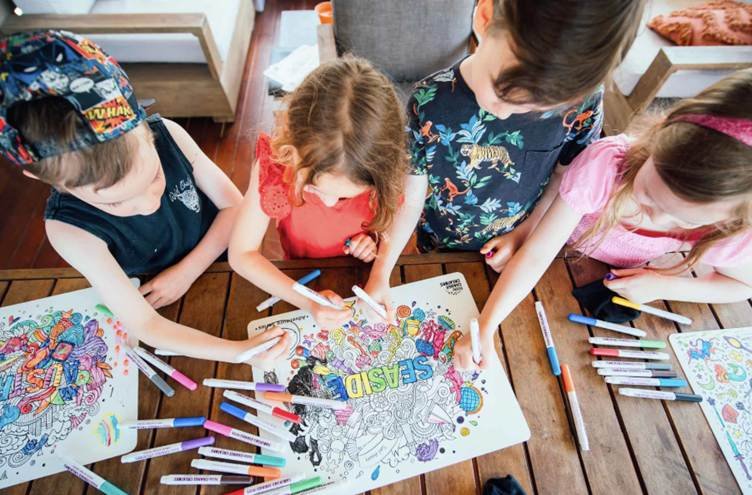
The bell rings. Backpacks zip. Kids pour out. The official school day is over, but not the learning. Not the living either. Those afternoon hours? They can be gold. With the right mix of freedom and guidance, kids after school activities turn into more than “time fillers.” They become the part of the day kids actually remember.
The Untapped Value of Afternoons
Here’s the thing—most families handle afternoons in extremes. Some keep kids on the run until dark: soccer, piano, math tutoring, repeat. Others? They leave the hours open, hoping kids “figure it out.” Usually, that ends in screens. Hours gone.
Neither extreme really works. Overscheduled kids burn out. Undirected kids drift. The sweet spot sits somewhere in the middle—structured, but not suffocating. A rhythm. Not a marathon.
Sports: More Than Sweat and Scoreboards
Sports are obvious. They burn energy. Keep kids fit. But the real value? It’s quieter.
The shy child who starts basketball learns to shout across the court. The impulsive one discovers patience on the bench. Even losing, strangely enough, has lessons: humility, resilience, teamwork when you’re not the star.
Not every kid fits the team mold, though. Martial arts, swimming, or dance—these offer focus without the noisy crowd. Movement is the point. Self-discovery, too.
Creative Work—Messy but Powerful
Art looks soft. Music, even softer. Parents sometimes skip these because they don’t look “practical.” Big mistake.
A child drawing realizes mistakes aren’t disasters, just new lines. A kid on stage learns how to recover after forgetting a line. Creativity is basically risk-taking in disguise. And kids need places where failing doesn’t feel final.
These programs give them room to test identities. To ask, “Who am I if I sing? Or paint? Or tell a story out loud?” Safe spaces to experiment. That’s huge.
Academic Enrichment, Done Differently
Enrichment gets a bad rap. Too many centers turn it into worksheet factories. Kids are already tired—why give them more?
The better version feels nothing like school. Think coding clubs where kids invent games. Science groups where gummy bears in water spark debates. Curiosity first, not grades.
That’s when kids after school activities shift from “extra work” to adventure. A child who sees learning as play? That sticks. Long after the club ends.
Community Roots That Actually Stick
Something else—community is often missing from modern childhood. Not always the parents’ fault. It’s just the world now: smaller families, busier lives.
After school programs can plug that gap. Volunteering at a garden. Scouting trips in the woods. Even helping at a food drive. These moments teach responsibility without a lecture. Leadership without a worksheet.
And there’s another layer. Kids see themselves as part of something bigger. That perspective doesn’t come from apps or homework. Only from doing.
The Role of “Nothing Time”
Strange but true: doing nothing is underrated. Real “nothing,” not YouTube spirals.
Kids need afternoons where they sprawl on the floor, doodle, build forts. It looks unproductive. It’s not. That’s where imagination grows. Problem-solving too.
Over-scheduling kills this. So does endless screen time. Parents who leave cracks in the schedule—on purpose—often find kids calmer, more creative. Less frazzled.
Choosing Without the Stress Spiral
So how do you decide? Watch your child after an activity. Simple test. Do they light up, bubbling with stories? Or do they slump, drained and silent? That one observation tells more than any program brochure.
Practical tips:
Trial first. Commit later.
One active, one creative. The rest—space to breathe.
Let quitting be okay. Not every path has to be lifelong.
The real goal isn’t trophies. Or résumés. It’s growth. Joy. Balance.
The Bigger Picture
Afternoons don’t need to be wasted time. Or chaotic shuttling. They can be the richest hours in a child’s week. Where they learn grit. Or find a talent. Or simply laugh with friends.
Sports fields, art studios, robotics labs, community gardens—it doesn’t matter which. What matters is intention. Parents who think about afternoons as opportunities, not just “after school care,” give their kids something powerful.
By choosing meaningful kids after school activities, you’re not just filling time. You’re shaping memories. Habits. Even identities. These aren’t schedules. They’re springboards into becoming.