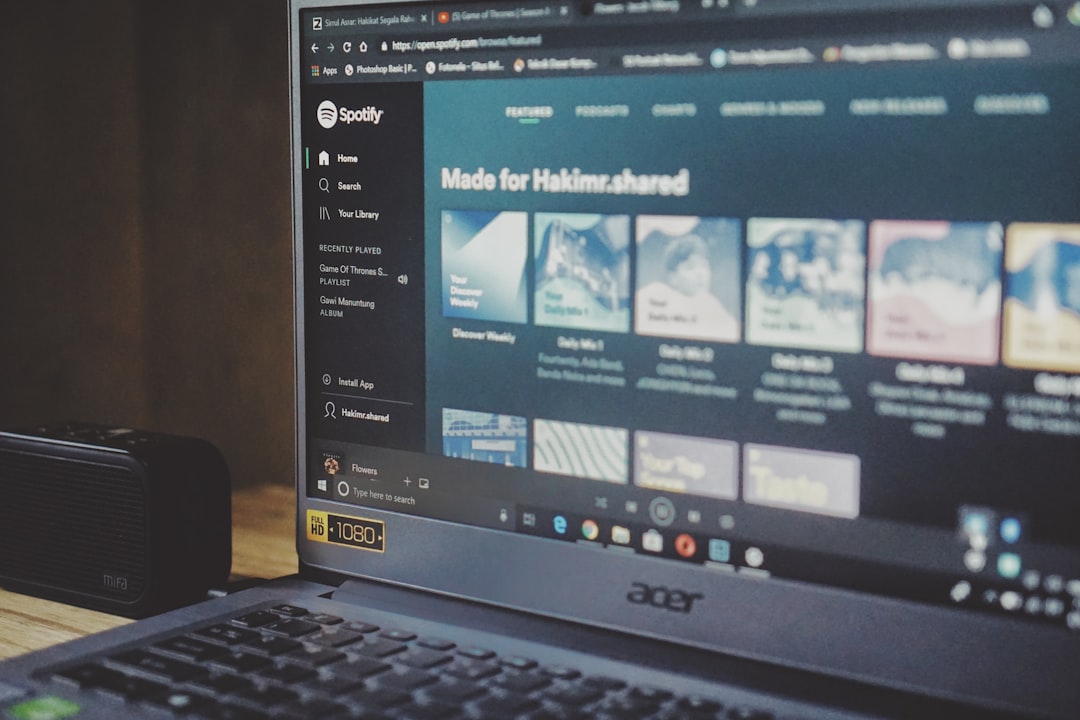
Digital music consumption has changed significantly as listeners increasingly prefer convenient access, organized libraries, and flexible playback options. Platforms associated with mp3cc represent part of this broader digital audio environment, where users look for simple ways to discover, organize, and enjoy music files. As listening habits continue to develop, factors such as accessibility, audio quality, device compatibility, and responsible usage have become important considerations for anyone exploring online music resources.
Table of Contents
- How Digital Audio Habits Are Changing
- Important Features of an Audio Platform
- The Importance of Responsible Music Access
- Audio Quality and File Management
- What Users Should Consider
- Looking Ahead
How Digital Audio Habits Are Changing
The way people listen to music has evolved alongside internet connectivity and mobile technology. Traditional physical formats have gradually been complemented by digital files, streaming services, downloadable audio, and cloud-based libraries. This shift has created a more flexible listening experience, allowing users to manage music across computers, smartphones, tablets, and other compatible devices.
Industry observations consistently show that convenience remains a major factor in digital media consumption. Listeners often prefer platforms that are easy to navigate and provide clear information about available audio content. A straightforward interface can make discovering and organizing music considerably more efficient.
Important Features of an Audio Platform
A useful digital audio platform should provide a clear structure that helps users understand what they are accessing. Search functionality, understandable categories, responsive pages, and compatibility with commonly used devices can all contribute to a better experience.
Audio quality is another important consideration. File formats can influence storage requirements, playback compatibility, and listening performance. Users should therefore understand the characteristics of different audio formats before selecting files for personal libraries.
Reliable performance also matters. Pages that load efficiently and present information clearly can reduce frustration while helping visitors locate relevant content. These practical characteristics are often more valuable than complicated features that do not directly improve the listening experience.
The Importance of Responsible Music Access
Digital convenience should always be balanced with responsible content use. Music may be protected by copyright, and the rights associated with individual recordings can vary according to the creator, publisher, distributor, and applicable law.
Users should check whether audio content is legally available for downloading, sharing, or personal use before obtaining it. Supporting authorized distribution channels helps creators, performers, producers, and other professionals involved in music production.
Responsible digital behavior also includes avoiding suspicious files and unfamiliar downloads. Maintaining updated security software, checking file information, and using trusted sources can help reduce potential security concerns.
Audio Quality and File Management
Organizing a digital music collection can become easier when files are properly labeled and categorized. Useful information may include the artist, title, album, genre, and release details. Consistent naming practices make larger libraries simpler to search and maintain.
Storage management is another consideration. Higher-quality audio files generally require more digital space, while compressed formats can make collections easier to store and transfer. The right choice depends on the listener’s priorities, available storage, and playback equipment.
What Users Should Consider
When evaluating any digital audio resource, users can consider several practical indicators. These include website usability, clarity of information, file compatibility, privacy practices, security, and the legality of available content.
Transparency is particularly valuable. A platform that communicates its purpose and provides understandable information can help visitors make informed decisions. Users should also be cautious when a website requests unnecessary permissions or personal information.
Looking Ahead
Digital audio will continue to develop as technology influences how people discover, store, and experience music. Better mobile connectivity, improved audio hardware, smarter organization tools, and changing consumer preferences are likely to shape future listening habits.
For users exploring online music resources, convenience should remain only one part of the decision. Quality, security, privacy, compatibility, and lawful access are equally important. By considering these factors, listeners can build a more organized and dependable digital music experience while respecting the people and creative work behind every recording.